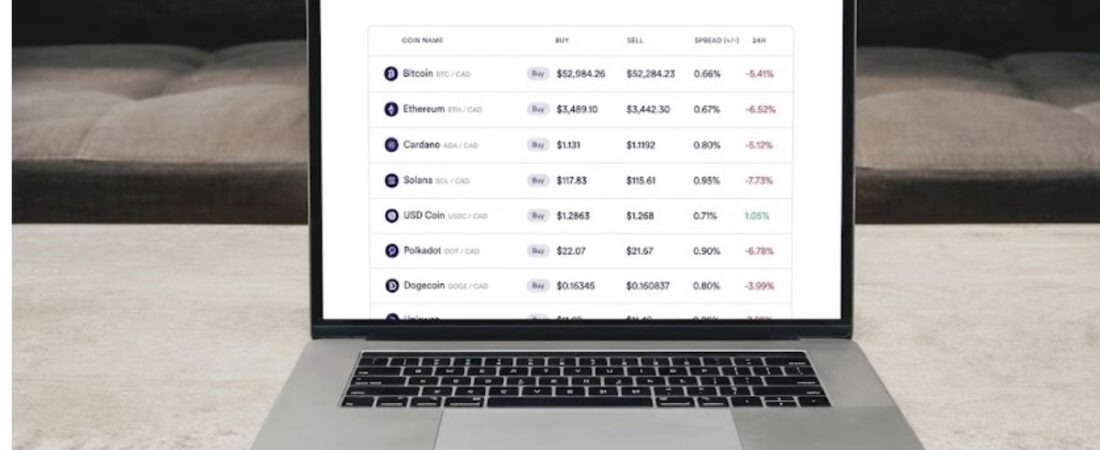
Forex trading has become one of the most popular ways to participate in the global financial markets. Every day, trillions of dollars are exchanged in the foreign exchange market, making it the largest and most liquid financial market in the world. Whether you are a complete beginner or someone looking to improve your understanding of currency trading, learning the essentials of forex trading is the first step toward making informed decisions.
In this guide, we will explore how forex trading works, why it attracts millions of traders worldwide, the key concepts every beginner should know, and practical tips to help you get started safely.
What Is Forex Trading?
Forex trading, also known as foreign exchange trading or currency trading, involves buying one currency while simultaneously selling another. The goal is to profit from fluctuations in exchange rates between currency pairs.
For example, if you believe the Euro will strengthen against the US Dollar, you may buy the EUR/USD currency pair. If the exchange rate rises, you can sell the pair at a higher price and potentially make a profit.
Why Is Forex Trading So Popular?
Forex trading continues to attract both beginner and experienced traders because of its unique advantages.
High Liquidity
The forex market has enormous trading volume, making it easy to buy and sell currencies at almost any time.
24-Hour Trading
Unlike stock markets, forex trading operates 24 hours a day, five days a week, allowing traders to participate according to their schedules.
Low Barrier to Entry
Many forex brokers allow traders to start with relatively small deposits, making the market accessible to beginners.
Opportunities in Rising and Falling Markets
Forex traders can potentially profit whether a currency pair moves up or down.
How Does the Forex Market Work?
The forex market operates through a decentralized network of banks, financial institutions, corporations, governments, and retail traders.
Instead of trading on a central exchange, currency transactions occur electronically through broker platforms and financial networks.
Major Participants in the Forex Market
Central Banks
Central banks influence currency values through monetary policy decisions and interest rate changes.
Commercial Banks
Large banks facilitate international currency transactions and contribute to market liquidity.
Institutional Investors
Hedge funds, investment firms, and multinational corporations actively participate in forex trading.
Retail Traders
Individual traders access the market through online forex brokers and trading platforms.
Understanding Currency Pairs
In forex trading, currencies are always traded in pairs.
A currency pair consists of:
- Base Currency
- Quote Currency
For example:
EUR/USD
- EUR = Base Currency
- USD = Quote Currency
If EUR/USD is trading at 1.1000, it means one Euro is worth 1.10 US Dollars.
Types of Currency Pairs
Major Currency Pairs
Major pairs involve the US Dollar and are among the most traded currencies globally.
Examples include:
- EUR/USD
- GBP/USD
- USD/JPY
- USD/CHF
- AUD/USD
- USD/CAD
Minor Currency Pairs
Minor pairs exclude the US Dollar.
Examples:
- EUR/GBP
- EUR/AUD
- GBP/JPY
Exotic Currency Pairs
These pairs involve one major currency and one emerging-market currency.
Examples:
- USD/TRY
- USD/ZAR
- USD/MXN
Essential Forex Trading Terms Every Beginner Should Know
Understanding basic terminology is crucial for successful trading.
Pip
A pip is the smallest unit of price movement in most currency pairs.
Spread
The spread is the difference between the buying price and the selling price.
Lot Size
Lot size refers to the volume of a trade.
Common lot sizes include:
- Standard Lot = 100,000 units
- Mini Lot = 10,000 units
- Micro Lot = 1,000 units
Leverage
Leverage allows traders to control larger positions with a smaller investment.
For example, 1:100 leverage allows a trader to control $10,000 with only $100.
Margin
Margin is the amount of money required to open and maintain a leveraged trading position.
Fundamental Analysis in Forex Trading
Fundamental analysis focuses on economic and political factors that influence currency prices.
Interest Rates
Interest rate decisions by central banks significantly impact currency values.
Inflation
High inflation can weaken a currency over time.
Employment Data
Strong employment reports often strengthen a nation’s currency.
GDP Growth
Economic growth generally supports currency appreciation.
Political Stability
Stable governments and economies often attract investors and increase currency demand.
Technical Analysis in Forex Trading
Technical analysis involves studying price charts and market indicators to identify trading opportunities.
Support and Resistance
Support refers to a price level where buying pressure tends to emerge.
Resistance refers to a price level where selling pressure tends to appear.
Trend Analysis
Traders analyze market direction to determine whether prices are moving upward, downward, or sideways.
Popular Technical Indicators
Some widely used indicators include:
- Moving Averages
- Relative Strength Index (RSI)
- MACD
- Bollinger Bands
- Fibonacci Retracement
Risk Management: The Foundation of Successful Forex Trading
Many beginners focus on profits while ignoring risk management. Experienced traders understand that preserving capital is essential for long-term success.
Use Stop-Loss Orders
A stop-loss automatically closes a trade if the market moves against you.
Limit Risk Per Trade
Many professional traders risk only 1% to 2% of their trading capital on a single trade.
Avoid Overleveraging
High leverage can magnify both profits and losses.
Follow a Trading Plan
A structured trading plan helps remove emotional decision-making.
Keep Emotions Under Control
Fear and greed are among the most common reasons traders lose money.
Common Forex Trading Strategies
Different traders use different approaches depending on their goals and risk tolerance.
Scalping
Scalpers aim to profit from small price movements through multiple trades throughout the day.
Day Trading
Day traders open and close positions within the same trading day.
Swing Trading
Swing traders hold positions for several days or weeks to capture larger market trends.
Position Trading
Position traders focus on long-term market movements and may hold trades for months.
Common Mistakes New Forex Traders Make
Avoiding these mistakes can significantly improve your chances of success.
Trading Without Education
Learning before investing real money is critical.
Ignoring Risk Management
Poor risk management can quickly lead to significant losses.
Overtrading
Taking too many trades often leads to poor decision-making.
Chasing Losses
Trying to recover losses immediately can create even larger losses.
Following Unverified Signals
Always conduct your own analysis before entering trades.
How to Get Started with Forex Trading
If you are new to forex trading, follow these simple steps:
Step 1: Learn the Basics
Understand market terminology, trading platforms, and risk management principles.
Step 2: Choose a Reputable Broker
Select a regulated broker with transparent fees and strong customer support.
Step 3: Open a Demo Account
Practice trading without risking real money.
Step 4: Develop a Trading Strategy
Create a structured approach based on your goals and risk tolerance.
Step 5: Start Small
Begin with small trade sizes while gaining experience.
Why Continuous Learning Matters in Forex Trading
The forex market constantly evolves due to economic events, geopolitical developments, and changing market sentiment.
Successful traders continuously:
- Study market trends
- Improve technical skills
- Analyze economic reports
- Review trading performance
- Adapt to changing conditions
The more knowledge you gain, the better equipped you become to navigate market opportunities and risks.
Conclusion
Understanding the essentials of forex trading is crucial for anyone interested in participating in the global currency market. While forex trading offers exciting opportunities, success requires education, discipline, patience, and effective risk management.
By learning how the forex market works, understanding currency pairs, mastering analysis techniques, and implementing proper risk management strategies, beginners can build a strong foundation for long-term trading success.
Remember that forex trading is a skill developed over time. Focus on learning, practice consistently, and prioritize protecting your capital as you gain experience.
Frequently Asked Questions (FAQs)
1. What is forex trading?
Forex trading is the buying and selling of currencies to profit from changes in exchange rates.
2. How much money do I need to start forex trading?
Many brokers allow beginners to start with as little as $50 to $100, though larger capital may provide better risk management opportunities.
3. Is forex trading suitable for beginners?
Yes, beginners can learn forex trading through education, demo accounts, and proper risk management practices.
4. What are the best currency pairs for beginners?
EUR/USD, GBP/USD, and USD/JPY are often recommended because of their liquidity and lower spreads.
5. Can I trade forex part-time?
Yes, the 24-hour nature of the forex market makes it possible to trade part-time.
6. What is leverage in forex trading?
Leverage allows traders to control larger positions with a smaller amount of capital.
7. Is forex trading risky?
Yes, forex trading involves significant risk, which is why risk management is essential.
8. How do forex traders make money?
Traders profit when they correctly predict whether a currency pair will rise or fall in value.
9. What is the most important forex trading skill?
Risk management is widely considered the most important skill for long-term success.
10. Can forex trading provide a full-time income?
Some experienced traders earn a full-time income from forex trading, but success requires knowledge, discipline, and consistent performance.